
As we kick off 2026, many people are making New Year’s Resolutions. I think we should resolve to be thinking ahead about how we can advance the Kingdom of God in tangible ways within our spheres of interest. The Kingdom should be our primary priority (Matt. 6:33). How can we build for the future in uncertain times and make the most of every opportunity we have been given? To that end, there are many areas that I’ve seen the need for reform in the church and many areas that Christians have generally lacked equipping.
As I’ve pondered on this, I considered what would be the short list of books I’d recommend to Christians to add to their reading goals for the year? I wanted it to be strategic—books that would impact people’s lives in tangible ways (not just as intellectual exercises). I also wanted them to be readable, because let’s face it—a lot of books are started with good intentions, and then forgotten on the shelf with a bookmark commemorating where those good intentions fizzled out.
All of these books have been hand selected as books that I’ve found to be very practical and readable. They’re good resources to stretch Christians to think more deeply about important topics for our days. They will challenge you to form deeper convictions about the topics they address and help you to build a more robust Biblical worldview. They are ordered according to level of priority—starting with the family as the building block of strong societies, then progressing to churches, communities, politics, secular ideologies, evangelism, and understanding our place in the history of what God has been doing through His people for centuries.
I believe each one will help reform and equip you to be a more effective servant in the Kingdom.
1. Family Shepherds
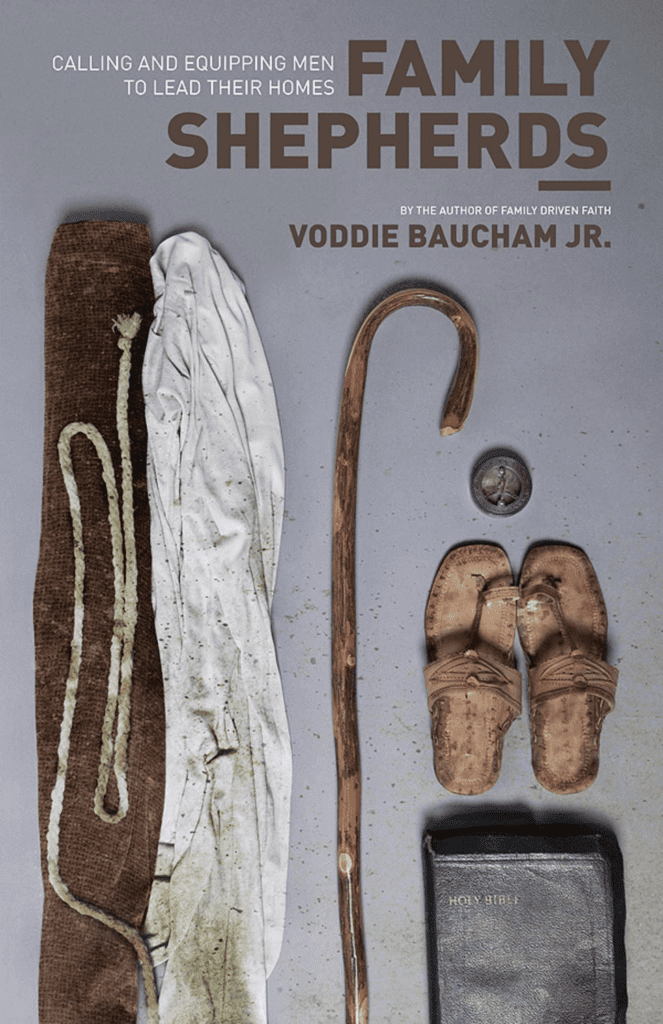
Starting with Family Shepherds: Calling and Equipping Men to Lead Their Homes by Voddie Baucham Jr. The book builds on Baucham’s earlier works like Family Driven Faith, integrating passion for discipleship with male responsibility. It covers four pillars: family discipleship, formative discipline, marriage enrichment, and church-home synergy. Family Shepherds calls Christian men to embrace their biblical role as leaders, protectors, and disciplers in the home. Baucham argues that strong, faithful leadership in the family is foundational to healthy churches and societies, urging fathers to disciple their families intentionally rather than delegating spiritual growth to pastors. The book blends biblical exposition with practical encouragement, helping men confront cultural pressures that undermine family authority.
This book is incredibly relevant and needed because it addresses the crisis of passive male leadership in modern families, promoting a vision where homes become outposts of God’s kingdom. Today’s church has a crisis of masculinity—men must again, as Zachary Garris argues, regain a Biblical vision of Masculine Christianity. For today’s Christians, it equips men to counter cultural individualism and family breakdown by providing tools for formative discipline, catechism, and relational stewardship, ultimately strengthening households against secular influences. It equips Christians to stand firm in an age that often rejects traditional family structures, reminding men that godly leadership at home prepares families to withstand spiritual and societal challenges today.
As go the men, so goes the family, and the church, and the society. One of the most powerful things we can do today is to regain a Biblical vision of men’s roles in the family, church and society.
2. Worshiptainment
For it is time for judgment to begin at the household of God; and if it begins with us, what will be the outcome for those who do not obey the gospel of God? (1 Peter 4:17)
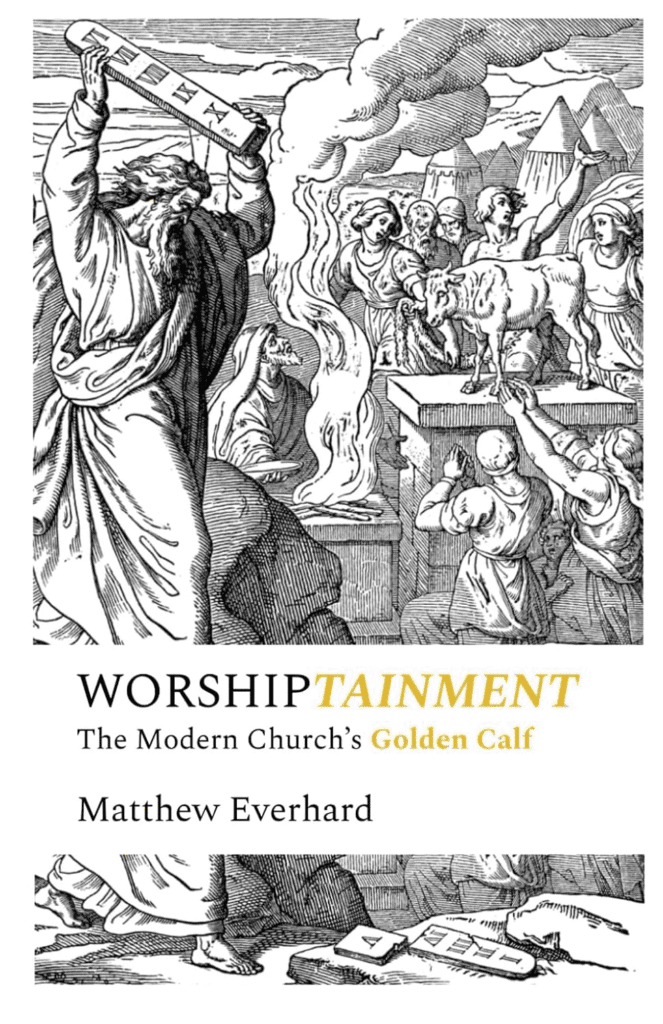
Worshiptainment: The Modern Church’s Golden Calf by Matthew Everhard critiques the modern church’s tendency to treat worship services like entertainment. Many Christians today don’t even stop to consider whether what they do on Sundays is pleasing to God, or how soberly we should be approaching the Living God. Everhard warns that an unbiblical focus on creating “experiences” can distort worship away from glorifying Christ and toward gratifying human preferences. Drawing on the Reformation’s Regulative Principle of Worship, he challenges readers to return to worship that is rooted in Scripture and centered on God’s holiness rather than contemporary cultural trends. Similar to The Creedal Imperative by Carl R. Trueman, Everhard challenges Evangelicals to look back at what faithful generations in the past have done in worship, and consider if our modern innovations are more faithful to Scripture or less.
One of the most sorely needed reforms today is in the church’s worship.
We become more like what we worship, and much of what passes for worship today in Evangelicalism is novel and sorely unbiblical. If we are to see communities and societies be reformed, we cannot export what we do not have. If we are to see the culture outside the church be reformed and transformed by the Word of God, then the culture inside the church must be reformed and transformed first. Every true revival and reformation begins with the reformation of the church’s worship to what God commands. Therefore, I believe this to be one of the most important reforms needed today.
3. Gashmu Saith It
We are seeing the woke cultural insanity come to a head in our days. With the increasing pressure from secularized societies bent against God, Christians must learn how to build close communities of strength and support.
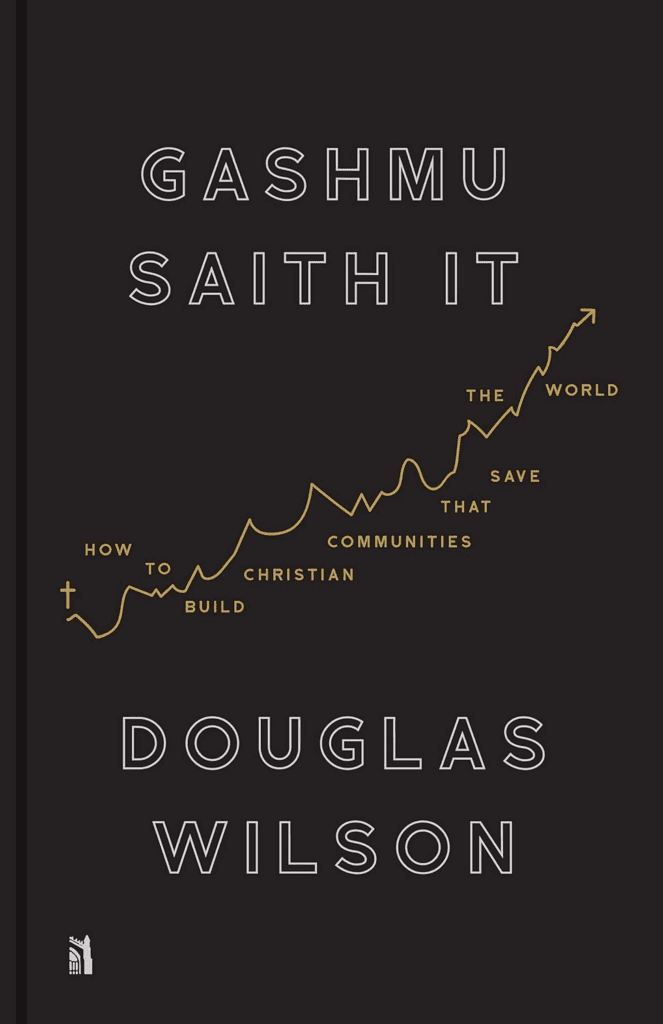
In Gashmu Saith It: How to Build Christian Communities that Save the World, Douglas Wilson offers a vision for building robust Christian communities rooted in Scripture rather than secular culture. Using the metaphor from Nehemiah of “Gashmu saith it,” Wilson outlines strategies for creating counter-cultural Christian communities that withstand mockery and opposition, emphasizing education, family, and church as foundational. He covers biblical obedience, hospitality, education, vocation, and household leadership, encouraging believers to create communities that live out the gospel holistically.
I found this book incredibly practical and one that could radically transform a church community that embraced this vision together. Strong communities could be built that would not just be a fortress against the raging culture outside, but also a city on a hill that attracts many to its light. This equips modern believers to build resilient networks—through schools, businesses, and fellowships—that influence society positively, combating despair and division with practical kingdom-building tactics.
This is a topic that has unfortunately not been addressed much from pulpits, and as a result, the culture and community that churches build tend to happen accidentally.
I think that this book is very helpful to spur Christians to think and dream about what their local church communities could look like if they just organize and strategize more intentionally.
4. Principles of War
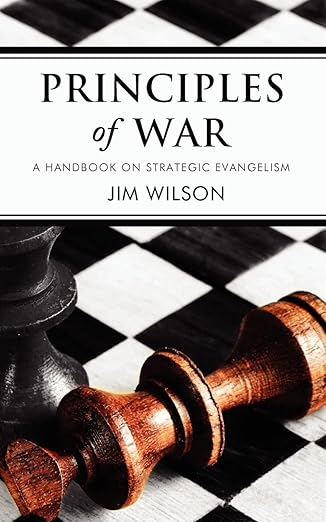
This life is war. The analogies and metaphors of life being a battle, Christians being soldiers and having real dangerous enemies are littered all throughout Scripture. This is a war for the immortal souls of men, women and children created in the image of God. The stakes are high! But what good general goes to war without a plan? What army can hope to make any progress without a plan?
Principles of War: Thoughts on Strategic Evangelism by Jim Wilson applies classic military strategy to the task of evangelism, suggesting that Christians should approach sharing the gospel with intentionality, discipline, and strategic clarity. Wilson adapts military principles—like objective, offensive, and concentration—to evangelism, viewing it as spiritual warfare against sin and unbelief. Wilson encourages believers to understand their cultural context and to engage thoughtfully with the world, rather than through haphazard or purely emotional methods. The book blends biblical insight with strategic principles to equip Christians to more effectively participate in the advance of the gospel amid the intellectual and spiritual battles of the age.
Let’s face it—many Christians today just don’t put that high a priority on Evangelism in their lives. Perhaps part of the reason for that is that they were never given a plan, other than a simple “gospel script” and told to go share that with their neighbours and friends. The handbook stresses disciplined, strategic outreach over haphazard efforts, using biblical examples to illustrate victory through focus and persistence. One of its key insights is in reframing evangelism as a winnable campaign, countering apathy in missions. For contemporary Christians, it provides actionable frameworks to engage communities effectively, equipping them to navigate secular skepticism with tactical wisdom and prayerful boldness.
5. The Spine of Scripture
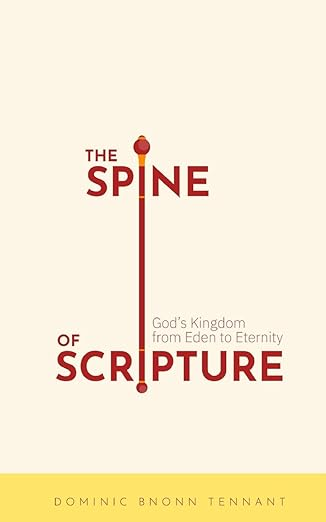
The Spine of Scripture: God’s Kingdom from Eden to Eternity by Dominic Bnonn Tennant traces the overarching narrative of God’s kingdom from Genesis to Revelation—from creation to the consummation. Tennant shows how the concepts of covenant, kingship, and kingdom form the “spine” that holds Scripture together, giving readers a unified framework for understanding God’s redemptive plan. Tennant connects Eden’s dominion mandate to the eternal kingdom, emphasizing heavenly patterns on earth. He also touches on some very interesting, but seldom addressed topics in Scripture, such as the Nephilim and the Divine Council and show that they are also important to understand the Bible’s worldview properly.
The theme of the Gospel of the Kingdom of God is central to the entire message of the Bible yet it is sadly underemphasized in many churches.
If many Christians don’t understand the main arc of the Bible’s story, it’s no wonder they have a deficient Biblical worldview!
By highlighting how seemingly disparate biblical texts connect, the book strengthens Christians’ grasp of the Bible’s coherent message and equips them to articulate the gospel’s historical and theological continuity in a fractured cultural moment. It’s vital for unifying Scripture’s narrative, correcting fragmented views of salvation. Today, it arms Christians with a holistic biblical worldview, helping them live out kingdom priorities amid cultural fragmentation and eschatological confusion. This book is definitely a very interesting read, and my wife and I are re-reading it together with another couple. It makes for great discussion material!
6. Five Lies of Our Anti-Christian Age
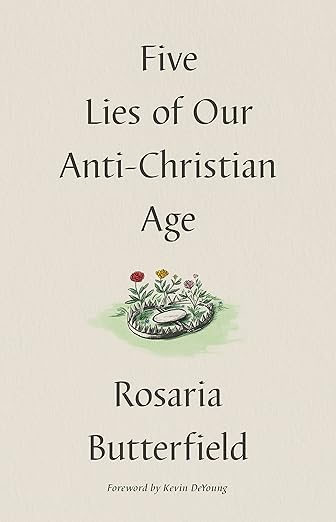
Five Lies of Our Anti-Christian Age by Rosaria Butterfield exposes five pervasive cultural falsehoods about gender, sexuality, and faith that undermine biblical truth—including claims that homosexuality and transgenderism are normal, that spirituality is kinder than biblical Christianity, and that feminism and anti-modesty are virtuous. Drawing on Scripture and her own journey from secular ideology to faith, Butterfield urges believers to hold fast to God’s truth, even when it is unpopular.
The book equips Christians—especially women—to recognize and resist cultural lies and to lovingly yet courageously reaffirm the gospel in a society steeped in moral confusion. The book addresses sexuality, feminism, and modesty, urging repentance and truth. It also exposes how some churches compromise with secularism, offering a prophetic call to fidelity. It equips believers to resist anti-Christian pressures by affirming biblical anthropology, fostering compassionate yet firm responses in a hostile age.
This is a much needed book for our days, offering biblical clarity amidst a confused world.
7. Ruler of Kings

It seems like things today are increasingly becoming more and more politicized. However, that is often used to silence Christians from bringing their faith into the public square. Yet secularists are not ashamed to push their own agendas through policies and politics. The truth is that there is no religious neutrality—it’s a myth!
Ruler of Kings: Toward a Christian Vision of Government by Dr. Joseph Boot argues for a distinctly Christian understanding of government rooted in biblical authority, divine law, and the lordship of Christ over all spheres of life. Boot critiques secular and statist visions of governance and calls Christians to reclaim a theology of civil authority that honors God’s sovereignty. By exploring Scripture’s teaching on law, human nature, and political order, the book helps believers think biblically about citizenship, public policy, and societal structure—issues crucial for Christians navigating contemporary political challenges. It prepares Christians to engage civically, promoting just policies that honor God’s sovereignty amid ideological divides.
How to think biblically about law, government and politics is another topic that is seldom addressed from pulpits today. As a result, Christians are swayed more by the culture than by Scripture. It’s time to recover a Biblical vision of government.
If Christians don’t know what God’s purpose and design for civil government is, then we cannot recognize abuses, nor do we know what to aim for as we vote and seek to have influence in the political sphere.
8. God’s Good Design
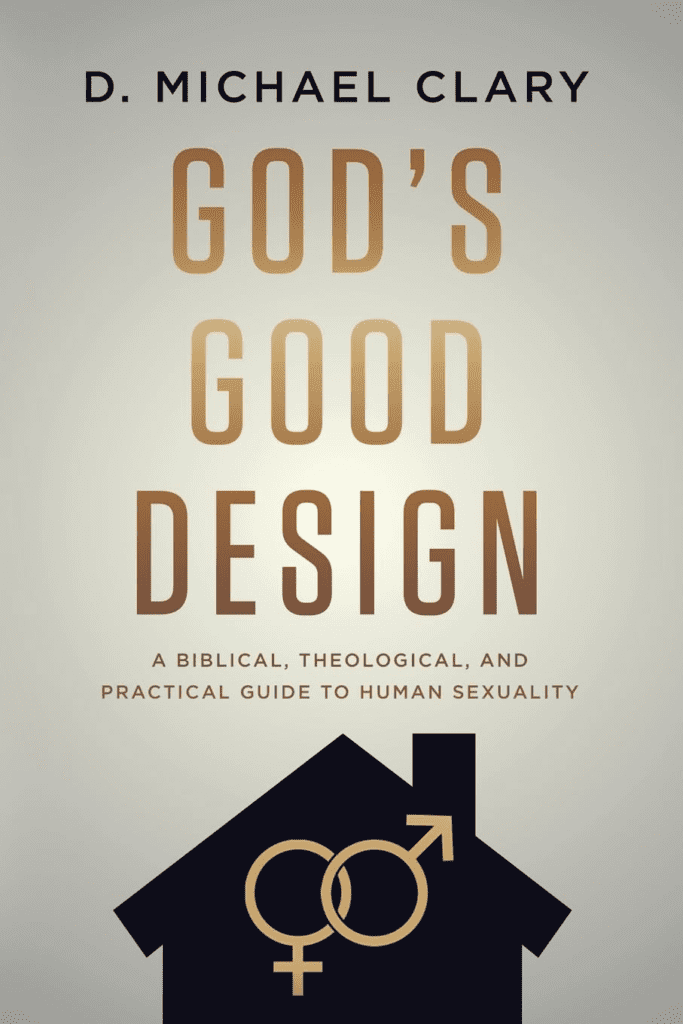
God’s Good Design: A Biblical, Theological, and Practical Guide to Human Sexuality by D. Michael Clary articulates a biblical theology of human sexuality, grounding sexual identity, marriage, and gender roles in God’s creational purposes and redemptive work. Clary examines Scripture’s teaching on sexuality with theological depth and pastoral sensitivity, offering clarity amid cultural confusion regarding gender and sexual ethics. Clary contrasts the sexual revolution’s harms with God’s creational intent, covering topics like gender roles and fidelity through Genesis and New Testament teachings.
The book equips Christians to uphold and articulate a biblical sexual ethic, reinforcing the goodness of God’s design against prevailing secular and relativistic narratives. The guide offers practical advice for living biblically. It’s significant for restoring moral clarity in a confused era. This resource helps Christians navigate identity issues, equipping them with theological depth for personal and communal wholeness.
Today’s culture is so confused about issues of sexuality and identity. Clary’s book is a refeshing read that helps Christians get the Biblical clarity they need to stand strong, offer compelling answers and cast a more beautiful vision for flourishing according to God’s good design.
9. The Last Days According to Jesus
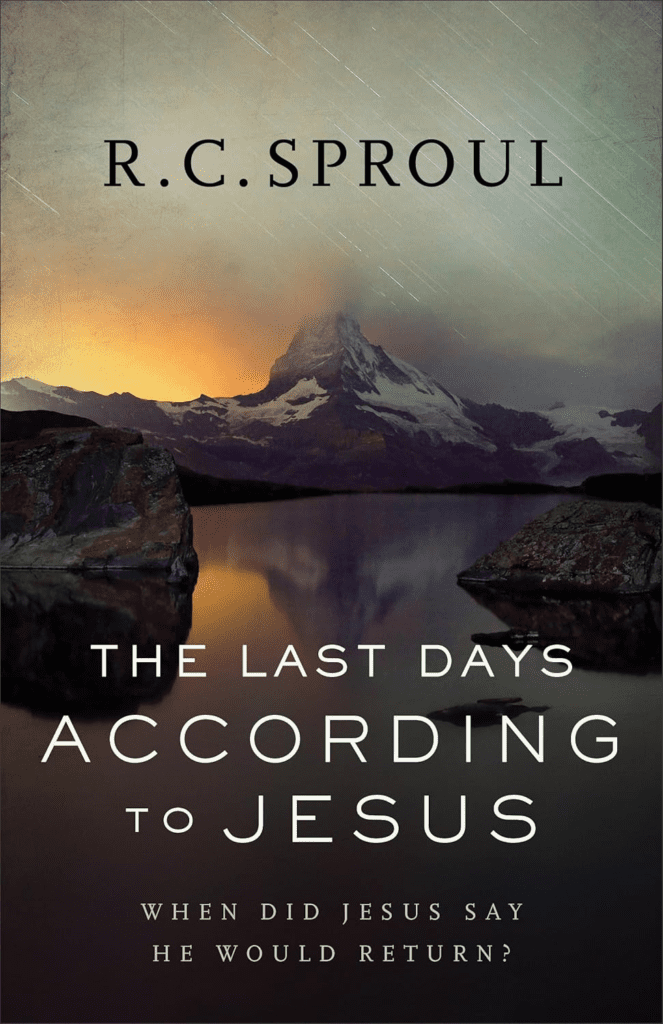
What we believe about the End will inevitably affect how we live today and plan for the future. In short, Eschatology matters!
The Last Days according to Jesus: When Did Jesus Say He Would Return? by R.C. Sproul carefully examines Jesus’ teaching on the end times, especially the Olivet Discourse (Matthew 24–25), and explores what Christ actually said about the timing and nature of His return. Sproul interacts with different eschatological interpretations, emphasizing careful Scriptural study over sensational speculation. The book grounds Christians in a biblical understanding of last-things theology and helps believers navigate contemporary anxiety about the future with sober faithfulness to Scripture. It resolves tensions in timing predictions. Important for clarifying eschatology amid skepticism, it bolsters faith in prophecy. For today’s believers, it fosters informed hope, equipping them against end-times hysteria or doubt.
Many Christians avoid the topic of Eschatology, thinking that it is divisive or not practically relevant. However, whlie eschatology is not a primary doctrine, it is also not an unimportant one. It is an essential part of our Christian worldview, and we cannot help but live in light of what we hope for the future. I also have a whole list of recommended reads on eschatology.
10. How Christianity Changed the World
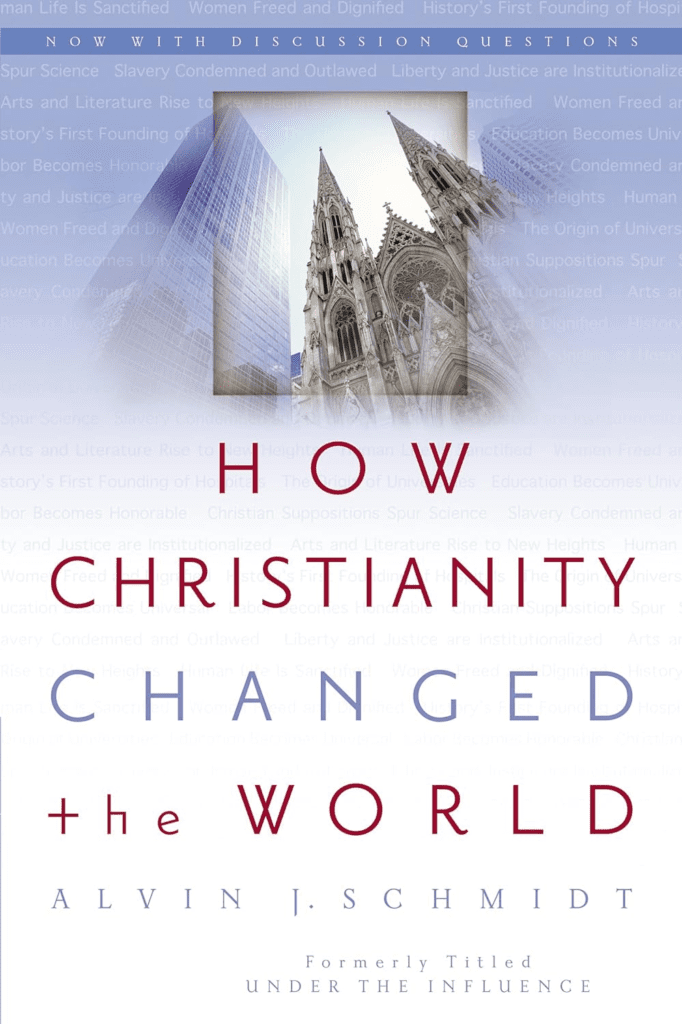
In an age that demonizes Christianity, many believers are made to feel ashamed of their history. However, a proper understanding of the history of Christianity allows us to see how God has been working through his people for millennia to transform the world in many positive ways we take for granted today.
How Christianity Changed the World by Alvin J. Schmidt surveys the profound influence of Christianity on Western civilization and beyond. Schmidt documents how Christian beliefs shaped ethical norms, education, science, law, human rights, care for the poor and sick, and cultural institutions throughout history. Written in an accessible style with research support, the book serves as both history and apologetic, reminding readers of the positive civilizational impact of the gospel and equipping Christians to defend the faith’s relevance in a secular age.
I found that reading this book inspired hope for the future, understanding that the same God who has worked in the world through His saints for centuries is still faithful today and continues to change the world.
In an era where secular ideologies increasingly challenge Christian convictions, these ten books provide a robust theological toolkit for believers seeking to live faithfully. From family leadership to global cultural transformation, they draw directly from Scripture and historical precedents to address contemporary issues like gender confusion, political unrest, and worship dilution. The importance of these books stems from filling gaps in modern Christian education, where surveys indicate many believers lack depth in these areas.
So, as a New Year’s challenge, I’d invite you to buy some of these books and get together with some friends, with some snacks and drinks, and enjoy some spirited conversations and joyful fellowship together. Have faith that God’s work is often done through the ordinary and mundane things of life, as many Christians seeking the Kingdom first, live out His purposes and transform their societies little by little to His glory.
If you’re interested in more recommended books, check out my Ultimate List of Must-Have Christian Books for Your Library.